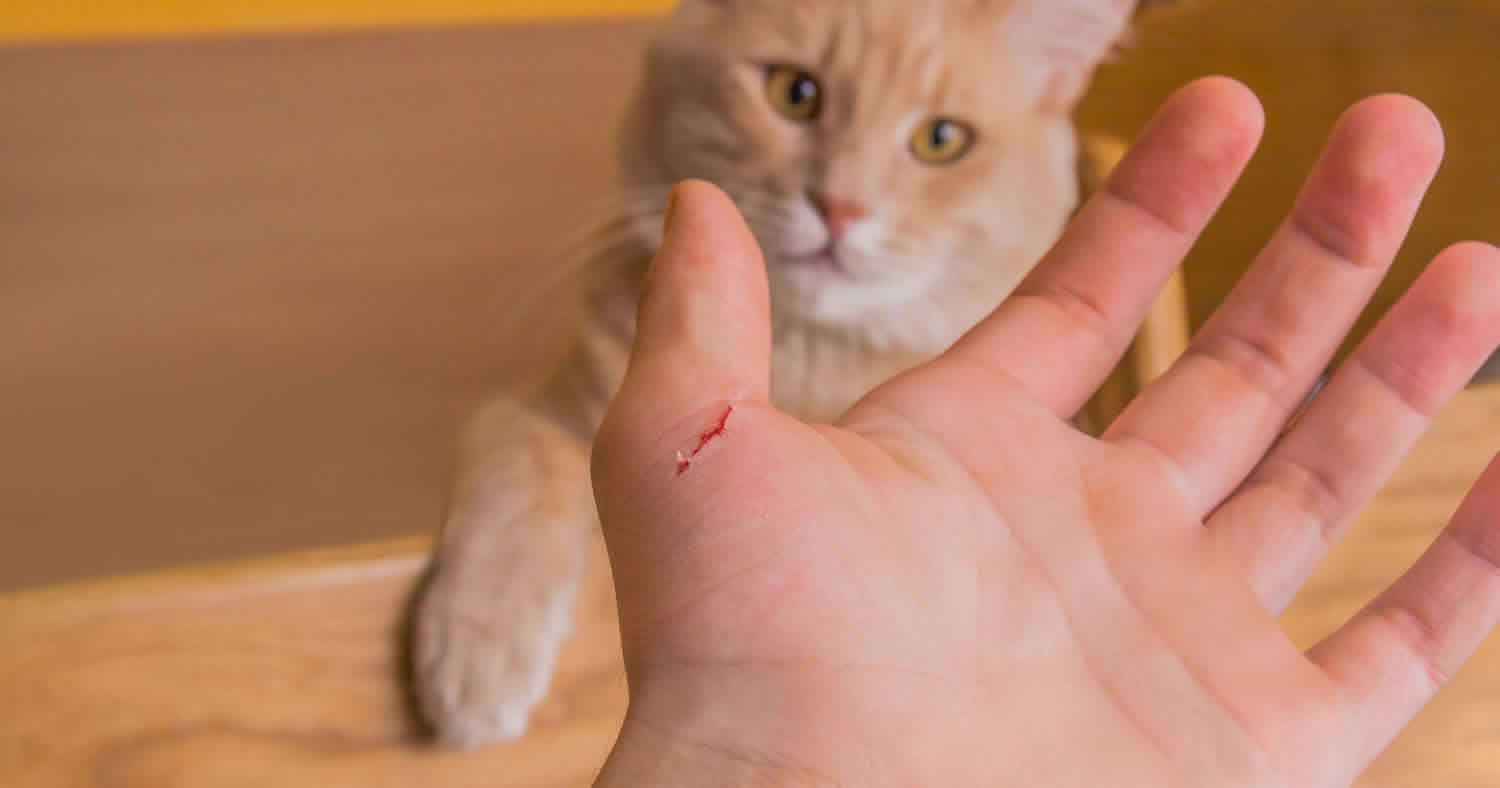
Cat Scratch Fever: Spotting Symptoms & When to Seek Medical Help
Few things are as comforting as the purr of a content cat or the playful antics of a curious kitten. However, the joyful bond we share with our feline companions sometimes comes with a hidden risk: a condition known as Cat Scratch Disease (CSD), often colloquially called Cat Scratch Fever. While usually mild, understanding CSD is crucial for timely diagnosis and appropriate care, especially for those most vulnerable.
This bacterial infection, primarily transmitted through a cat's scratch or bite, can lead to a range of symptoms, from a localized lesion to more widespread issues affecting the lymph nodes and even, in rare cases, internal organs. Knowing what to look for and when to consult a healthcare professional can make all the difference in managing this common, yet often misunderstood, condition.
What Exactly is Cat Scratch Disease?
Cat Scratch Disease is a bacterial infection caused by Bartonella henselae, a bacterium found in the saliva of infected cats. Research suggests cats typically acquire these bacteria from fleas or their droppings. What's particularly important for cat owners to know is that kittens, especially those under one year of age, are far more likely to carry the bacteria in their saliva. Their playful nature, often involving more enthusiastic scratching and biting, significantly increases the risk of transmission to humans.
The disease isn't passed directly from cat to human through casual contact alone. Instead, it occurs when an infected cat:
Scratches deeply enough to break the skin's surface. This is the most common route.
Bites hard enough to break the skin.
Licks an open wound that a person already has.
Once the bacteria enter the human body through broken skin, they can lead to an infection that primarily affects the lymph nodes, causing them to swell and become painful.
Who is Most at Risk for Cat Scratch Disease?
While anyone can contract Cat Scratch Disease, certain factors increase your likelihood. Understanding these can help you take proactive measures to protect yourself and your family.
Frequent Contact with Cats: Spending a lot of time around cats, particularly playful kittens, naturally increases your exposure to potential scratches and bites. Kittens are not only more likely to carry the bacteria but also to engage in rougher play.
Lack of Immediate Wound Care: Failing to clean scratches or bites from a cat as soon as they occur allows bacteria more time to establish an infection. Prompt cleaning with soap and water is a simple yet effective first line of defense.
Open Wounds and Cat Licks: Allowing a cat to lick any existing open wounds on your skin, even minor ones, can directly introduce the bacteria into your bloodstream.
Flea Infestations: A flea-ridden environment significantly increases the chances of your cat carrying the Bartonella henselae bacteria. Managing fleas is therefore a critical preventative step for both your pet's health and your own.
Children and Adolescents: The majority of CSD patients are under 21 years old, with children and adolescents being the most commonly affected demographic. This is often due to their close interaction with pets and potentially less caution during play.
Immunocompromised Individuals: People with weakened immune systems (e.g., those with HIV/AIDS, undergoing chemotherapy, or living with diabetes) face a higher risk not only of contracting CSD but also of experiencing more severe complications. Their bodies may struggle to fight off the infection effectively, necessitating prompt medical attention.
Occupational Exposure: Veterinarians, veterinary nurses, and shelter workers who routinely handle many cats, especially young ones, have an elevated risk.
For more detailed insights into specific risk factors and comprehensive prevention strategies, you might find these articles helpful: Cat Scratch Disease: Risks, Symptoms, and Prevention for Cat Owners and Cat Scratch Disease: Uncovering Causes, Risks, and Prevention Tips.
Spotting the Symptoms of Cat Scratch Disease
Recognizing the symptoms of Cat Scratch Disease is the first step towards getting proper care. While symptoms can vary in severity and presentation, there are several common indicators to watch out for:
1. The Primary Lesion at the Scratch Site
Within a few days to a couple of weeks after the scratch or bite, the initial wound may transform. Look for:
A reddened or swollen area that doesn't heal or even worsens over time.
Development of a scab, blister, or pustule (a small bump filled with pus) at the scratch or bite site.
The lesion may feel tender or painful to the touch.
2. Swollen and Painful Lymph Nodes (Lymphadenopathy)
This is arguably the hallmark symptom of CSD. About 1-3 weeks after the initial injury, you'll typically notice:
Painful or swollen lymph nodes (glands) near the site of the scratch or bite. For example, if scratched on the hand or arm, lymph nodes under the arm (axillary) might swell. A scratch on the leg or foot could lead to swollen nodes in the groin (inguinal).
These nodes can range in size from a pea to a golf ball, and they may be warm to the touch and firm.
3. Flu-like Symptoms
Many individuals with CSD also experience systemic symptoms, which can mimic a common flu:
Fever (usually low-grade, but can be higher in some cases)
Headache
Decreased appetite
Fatigue or general malaise
Joint pain
4. Less Common but Serious Symptoms
While rare, CSD can manifest in more severe ways, especially in immunocompromised individuals:
Parinaud oculoglandular syndrome: This affects the eye, causing redness, irritation, and pain, similar to conjunctivitis, often accompanied by swollen lymph nodes in front of the ear.
Bacillary angiomatosis: A serious skin disorder characterized by red, elevated lesions with a scaly ring. It can spread and affect internal organs.
Other complications can include neurological issues (e.g., encephalitis, seizures) or bone infections, although these are very infrequent.
It's important to remember that CSD symptoms can sometimes resemble other conditions. Therefore, always consult your healthcare provider for an accurate diagnosis.
Diagnosis and Treatment: What to Expect
Diagnosing Cat Scratch Disease typically begins with a thorough medical history. Your doctor will likely ask about recent contact with cats or kittens, especially any scratches or bites. A physical examination will focus on the scratch site and the affected lymph nodes. In some cases, blood tests may be ordered to detect antibodies to Bartonella henselae or, rarely, a biopsy of a swollen lymph node might be performed.
The good news is that for most healthy individuals, CSD is a self-limiting condition. This means the infection often resolves on its own without specific medical intervention within a few weeks to months. Treatment, when necessary, will depend on several factors, including your symptoms, age, overall health, and the severity of the condition.
Antibiotics: For more severe cases, persistent symptoms, or in individuals with weakened immune systems, antibiotics (such as azithromycin) may be prescribed to clear the bacterial infection. Antibiotics can help reduce lymph node swelling and shorten the course of the illness.
Symptomatic Care: Over-the-counter pain relievers (like ibuprofen or acetaminophen) can help manage pain and fever. Warm compresses on swollen lymph nodes can also provide some relief.
When to Seek Medical Help
While CSD is often benign, knowing when to elevate your concerns to a medical professional is vital. Here are clear indicators that it's time to see a doctor:
Persistent or Worsening Symptoms: If a cat scratch or bite site remains red, swollen, painful, or develops pus and doesn't improve within a few days, or if it actively worsens.
Rapidly Enlarging or Painful Lymph Nodes: If lymph nodes become significantly swollen, very painful, red, or warm to the touch, or if new areas of swelling appear.
High or Prolonged Fever: A fever that is high (over 102°F or 39°C) or lasts for more than a few days, especially if accompanied by other flu-like symptoms.
Severe Systemic Symptoms: Unexplained fatigue, severe headaches, significant joint pain, or loss of appetite that impacts daily activities.
Eye Involvement: Any redness, irritation, pain, or vision changes in an eye following a cat scratch, particularly if accompanied by swollen lymph nodes in front of the ear.
Neurological Symptoms: Though rare, symptoms like confusion, seizures, or persistent headaches warrant immediate medical attention.
If You Are Immunocompromised: If you have a weakened immune system due to conditions like HIV/AIDS, cancer treatment, or diabetes, you should seek medical attention promptly after any cat scratch or bite, even if symptoms seem minor. You are at a much higher risk for serious complications such as bacillary angiomatosis or disseminated disease affecting internal organs.
Prevention is Key: Protecting Yourself and Your Feline Friends
Preventing Cat Scratch Disease is largely about responsible pet ownership and good hygiene practices:
Mindful Play: Avoid rough play with cats, especially kittens, that might encourage scratching or biting. Use toys instead of your hands for play.
Regular Nail Trims: Keep your cat's claws trimmed to minimize the severity of any accidental scratches.
Immediate Wound Cleaning: Always wash any cat scratch or bite thoroughly with soap and running water as soon as it happens. This simple step can significantly reduce the risk of infection.
Flea Control: Implement a regular flea prevention program for your cats, especially kittens. This is crucial since fleas are key carriers of the Bartonella henselae bacteria.
Supervise Children: Teach children how to interact gently with cats and supervise their play to prevent scratches and bites.
Avoid Licking Open Wounds: Do not allow cats to lick any open cuts, scrapes, or wounds on your skin.
Consider Cat Temperament: Be aware of your cat's temperament. If a cat is prone to aggression or unpredictable behavior, take extra precautions.
Our feline friends bring immense joy to our lives, and with a little knowledge and preventative care, we can ensure our interactions remain safe and healthy. Cat Scratch Disease is a manageable condition, but awareness of its symptoms and knowing when to seek medical advice are your best tools for a quick recovery and peace of mind.